
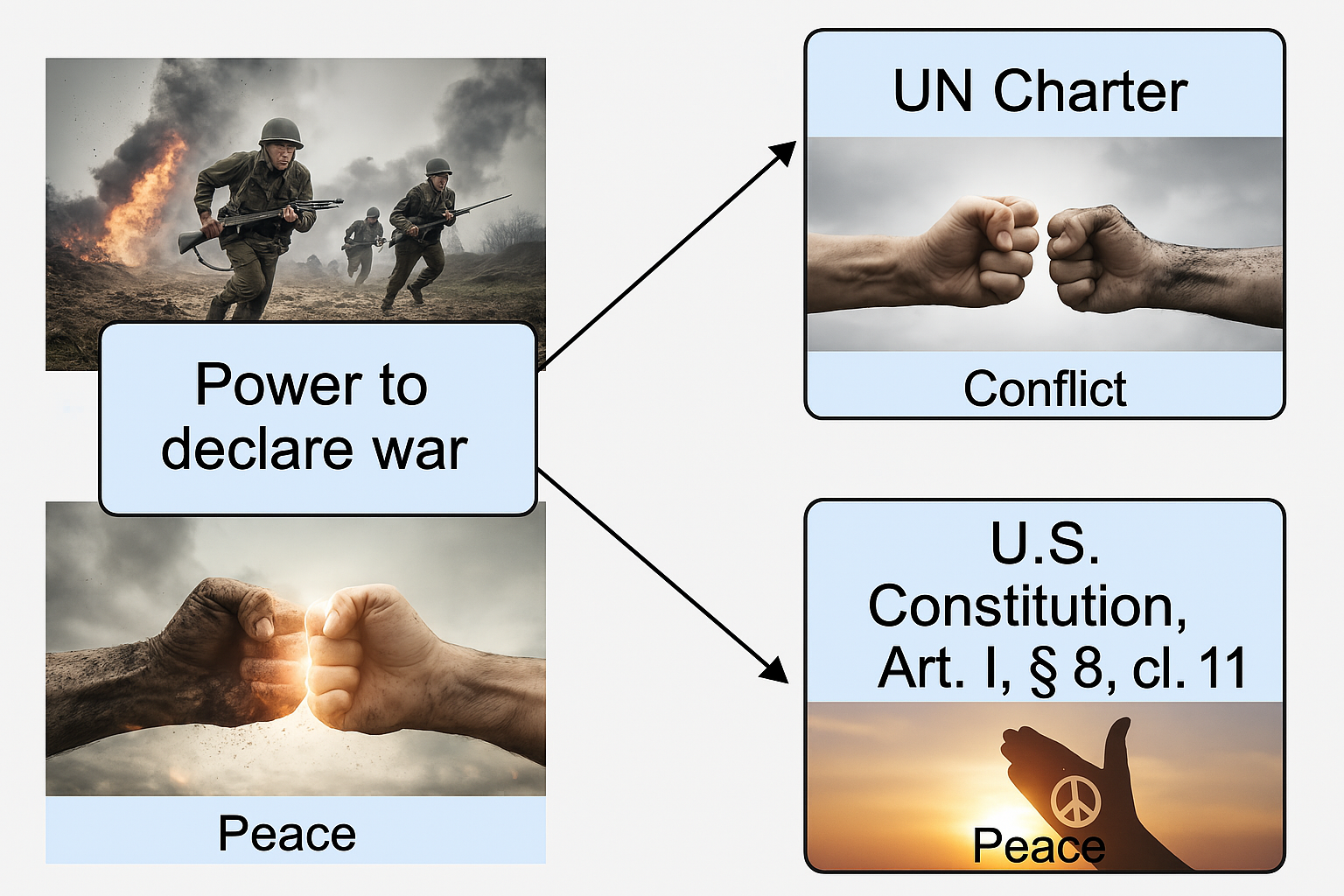
When Power Trumps Principle: The Erosion of International Norms
The current Trump administration from its inception has shown an attitude both domestically and internationally in not following existing law and order and going rogue in many of its decision.
The recent bombing in Iran is an example where local and international laws were disregarded.
By disregarding the foundational principles of the United Nations Charter, unilateral military actions by powerful states are unraveling the global consensus that has underpinned international peace since World War II. The Trump administration’s targeted strikes on Iran—absent UN Security Council authorization or an imminent self-defense claim—set a troubling precedent that echoes louder in the wake of Russia’s full-scale invasion of Ukraine.
What was once unthinkable—that nation-states might settle disputes by force without provocation—is now gaining a dangerous sense of normalcy. China’s assertive posture toward Taiwan, and fears of potential aggression there, further underscore how the erosion of international norms could embolden states to act with impunity.
The implications are profound. If the United Nations cannot compel adherence to its Charter or hold violators accountable, its authority risks crumbling. The credibility of a collective security system hinges not on the rhetoric of peace, but on the consistent enforcement of international law. Without meaningful consequences for unlawful aggression, the UN risks becoming not a guardian of order, but a silent witness to its decline.
In this pivotal moment, the global community must decide: Will we reinforce the rule of law, or yield to a world governed by might over right?
The UN Charter strictly limits the use of force by member states, and unilateral war or invasion without provocation is generally prohibited under international law.
Article 2(4): All members must refrain from the threat or use of force against the territorial integrity or political independence of any state.
Chapter VII (Articles 39–51): The UN Security Council has the authority to determine threats to peace and authorize collective action. Only the Security Council can legally sanction the use of force, except in one key case.
Article 51: This provides an exception—the right to self-defense. If a country is attacked, it may defend itself individually or collectively until the Security Council intervenes. However, this right does not extend to preemptive or preventive war without clear evidence of an imminent threat.
Basically, unless a nation is acting in self-defense or has explicit Security Council authorization, unilateral military action is a violation of the UN Charter. This principle was reaffirmed by the UN Secretary-General in response to Russia’s invasion of Ukraine, which was declared a breach of the Charter.
Pope Leo XIV’s advice on June 22, 2025 on the bombing of Iran:
“War does not solve problems; on the contrary, it amplifies them and inflicts deep wounds on the history of peoples, which take generations to heal, No armed victory can compensate for the pain of mothers, the fear of children, or stolen futures. May diplomacy silence the weapons! May nations chart their futures with works of peace, not with violence and bloodstained conflicts!”
The question also is, does the US constitution allow unilateral declaration of war by its president against another country without the approval of the congress?
The U.S. Constitution is clear on this point: only Congress has the power to declare war. This authority is granted in Article I, Section 8, Clause 11, often called the Declare War Clause. It was designed to prevent a single individual—namely, the President—from unilaterally dragging the nation into armed conflict.
However, over time, the balance of power has shifted. Presidents have increasingly initiated military actions without formal declarations of war, citing their role as Commander in Chief under Article II. This has led to ongoing constitutional debates, especially when military force is used without congressional approval.
To address this tension, Congress passed the War Powers Resolution of 1973, which requires:
• The President to notify Congress within 48 hours of deploying armed forces.
• A limit of 60 days (plus a 30-day withdrawal period) for military engagement without congressional authorization.
Still, the Constitution does not permit the President to start a war—whether by formal declaration or by initiating hostilities—without Congress’s consent. Legal scholars widely agree that any significant use of military force against another sovereign nation constitutes war and thus requires congressional approval.
Outside the UN Security Council oversight on this issue, the US congress has an obligation to ensure that the USA does not rush into a war without an agreed purpose and expected outcome.
At this pivotal moment, where the executive is on rampage and unruly, the required checks and balances from the congress and the judiciary is glaringly lacking.
The option is for those of us who can speak up to continue to do so in protecting our constitution and promote peace in the world.
RETURN
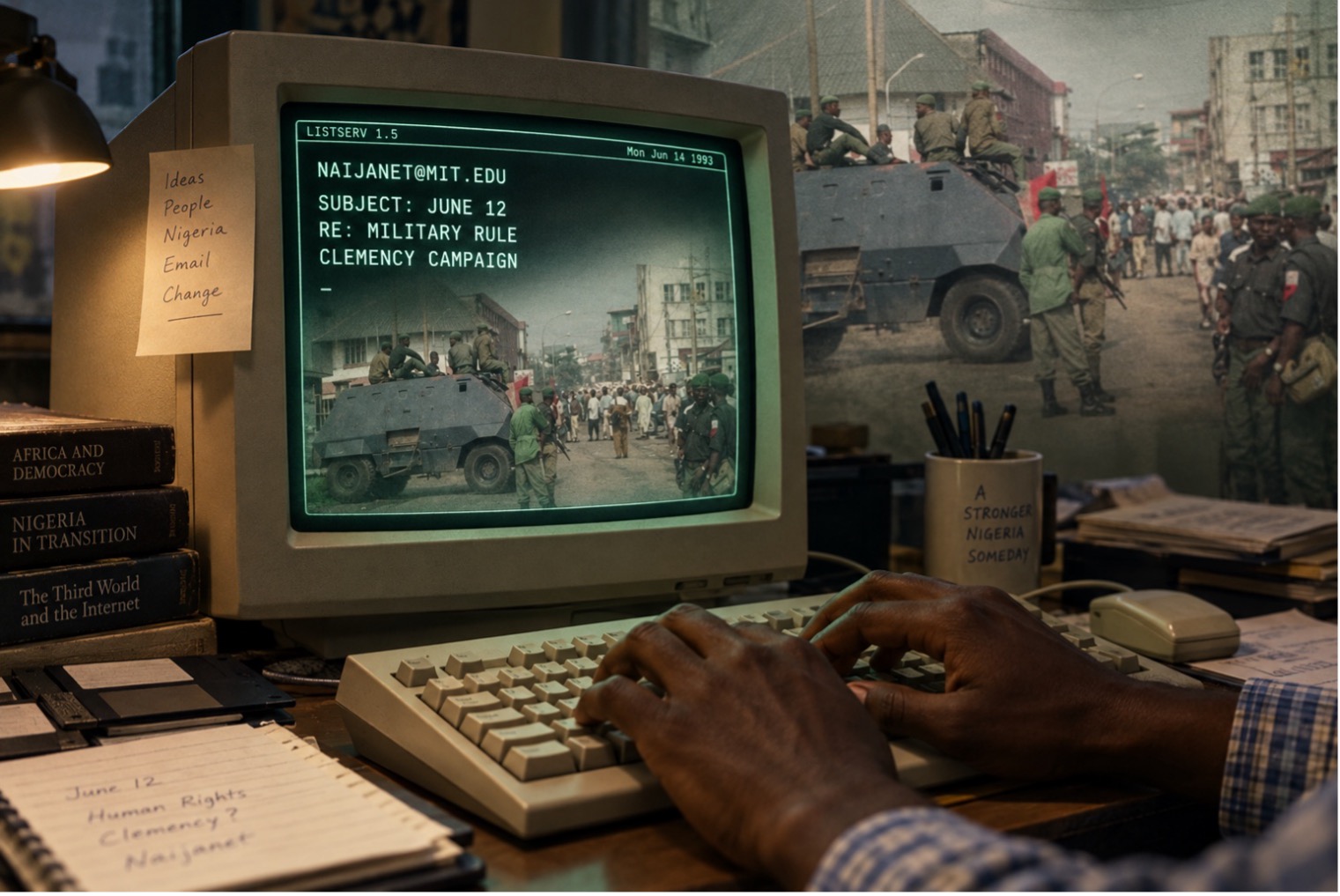

Is Artificial Intelligence Stupid? – Misconceptions to a Legal AlbatrossMy engagement with artificial intelligence (AI) began in 1998, when I was a ...

Wike Is Right on the Money: Nigerian Football, National Pride, and the Lost Discipline of Sports DevelopmentPreviously published on VANGUARD Newspaper...

The Blessing Has Been Given; The Stewardship Remains- A Sermon for the Thirteenth Sunday in Ordinary Time -My dear brothers and sisters in Christ,I ag...

AI Can Cross Disciplines. It Still Can’t Replace Expert Judgmentfirst published on Substack on April 28, 2026Large language models (LLMs) have becom...
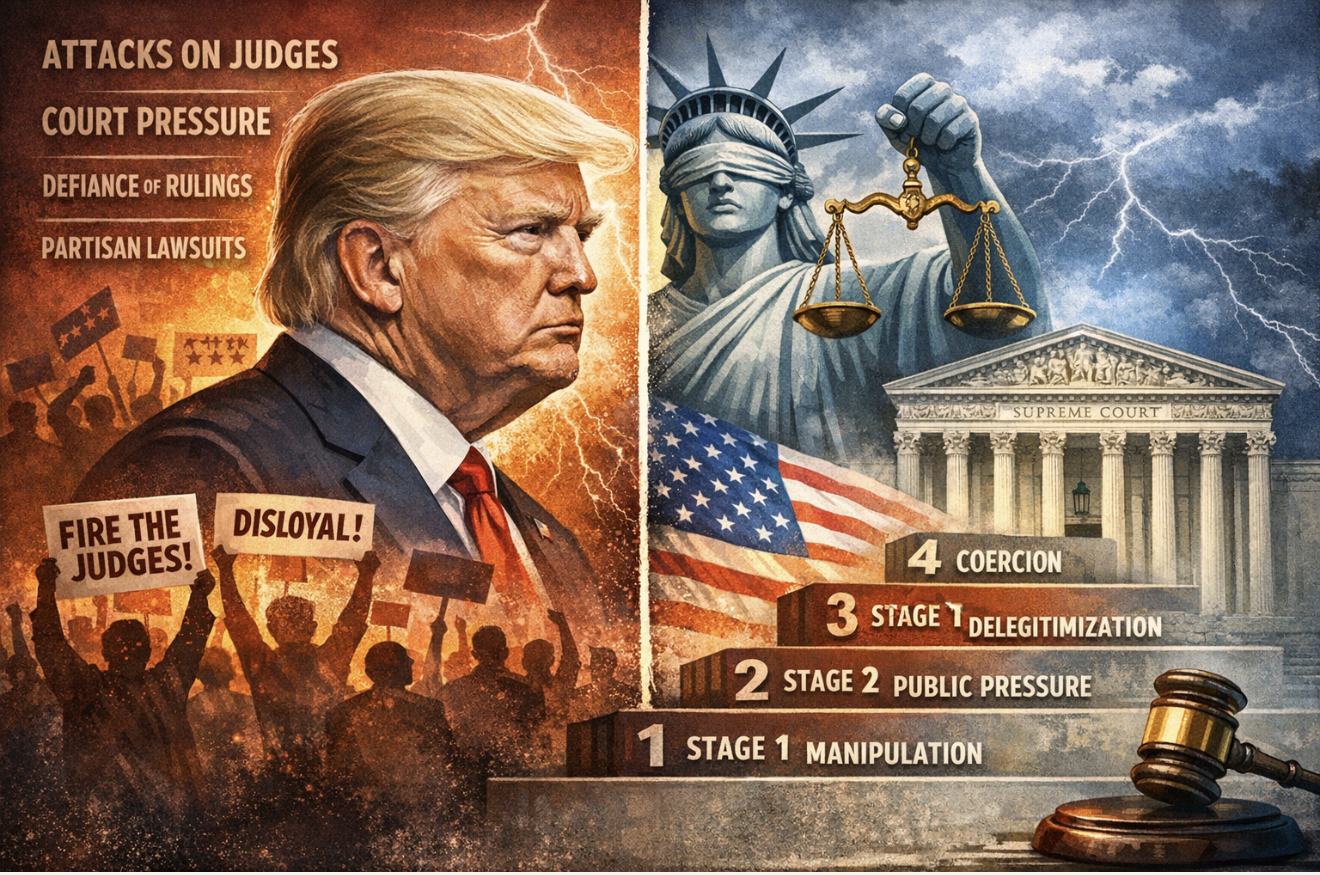
Intimidating The Judiciary: Trump and A Global History of Executive Pressure on Supreme Courts- From Washington to Berlin to Budapest, and the warning...




Social & Political Issues / Sep 19, 2026
A Death, and a Remembrance of a Time PastSocial & Political Issues / Oct 18, 2003
Abuja As A Hi-Tech Hub For Innovation, Entrepreneurship, And Knowledge ExchangeSocial & Political Issues / Jun 02, 2004
About "Security Breach" and "Coup Scare"Social & Political Issues / Oct 05, 2002
ABOUT THE NORTHERN AGENDA : "General said, Chief said, Alhaji said"Social & Political Issues / Feb 09, 2006
Abduction of Oil Workers: Matters Arising© 2026 Segun Toyin Dawodu | All rights reserved