
First published in VANGUARD on January 3, 2026 https://www.vanguardngr.com/2026/01/nigerias-elections-arent-just-about-ideas-theyre-about-who-can-feed-a-system-built-on-hunger/
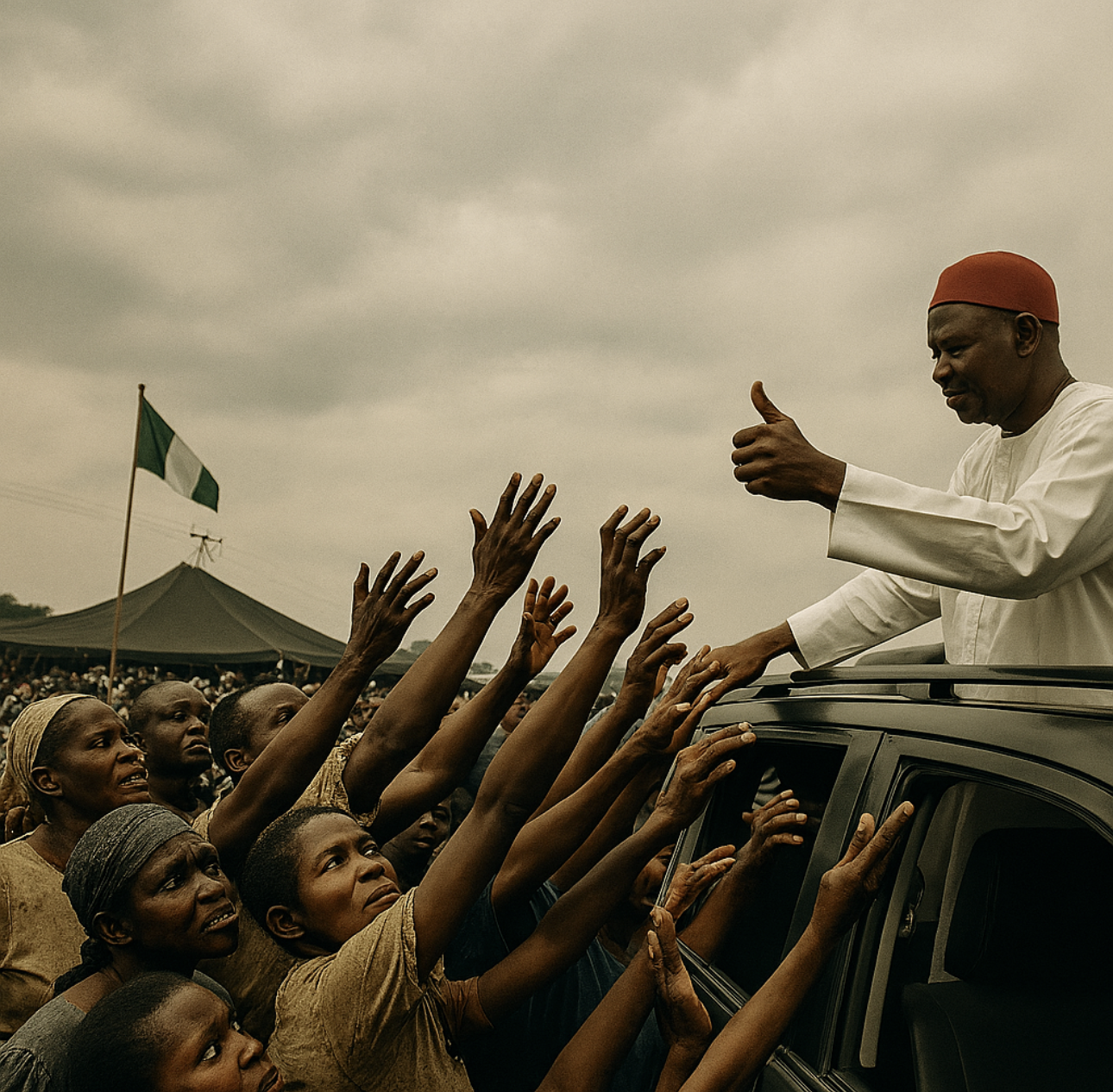
If you want to understand Nigerian politics, start with a sentence that sounds like satire until you realize it is a sober description of incentives: People are looking for who can feed them well.
In Lagos or Port Harcourt, in a party office in Abuja, at a roadside bar where the day’s news is debated with the seriousness of a parliamentary session, the verb “feed” does a lot of work. It does not mean charity. It means access. It means protection. It means contracts, appointments, permits, phone calls returned, police problems resolved, and the quiet ability to make obstacles disappear. It means a credible pipeline from the state’s resources to one’s network and, just as importantly, a credible capacity to punish those who break faith.
This is the part outsiders miss when they ask why Nigerian politics can look so fluid, why politicians “decamp” from one party to another, why alliances shift with such speed, why manifestos read like literature while campaigns operate like logistics. The answer is not that Nigerians are uniquely cynical. The answer is that, in a system where institutions often fail to deliver basic security and economic stability, the most rational political question becomes brutally concrete: Who can deliver something real, soon, and reliably?
That question is asked by two groups at once, and their answers reinforce each other.
The first group is ordinary citizens, many of whom are living under conditions of intense economic pressure. In such a context, the future becomes expensive. A promise of better electricity or a more diversified economy may be desirable; it may even be sincere. But it is also uncertain, and uncertainty is a luxury tax on people who are already stretched thin.
So politics compresses the time horizon. When a household’s weekly budget is fighting to survive the month, a small, immediate benefit can outweigh a larger, distant one, especially if that larger one comes wrapped in vague assurances and institutional mistrust. This is not a moral defect; it is a predictable human response to risk. The less stable your life is, the more you value what is stable, even if what is stable is a bag of rice, a few notes pressed into a palm, or help paying school fees.
And then there is the second group: the political class.
In a patronage-centered political economy, office is not only public service. It is also a resource stream. It is the ability to place loyalists, allocate contracts, and maintain a web of intermediaries who keep the machine running. For many political actors, being on the winning side is not a matter of pride. It is a matter of survival.
This is where defections, the now-routine spectacle of prominent figures switching parties, become something more than opportunism. They are a signal. When a governor, a senator, or a party financier moves toward the ruling coalition, it sends an implicit message to everyone watching: Power will be here. The money will be here. The protection will be here. Others update their beliefs accordingly. What looks like chaos can be an orderly stampede: a coordination game in which the safest move is to join what everyone expects to win.
The result is a politics that can feel predetermined, not because destiny has spoken, but because expectations can become self-fulfilling. If enough elites decide the contest is over, they drain oxygen from the opposition. They weaken its funding, its organizational reach, its access to brokers, and its ability to project inevitability, an underrated asset in any campaign, and a decisive one in patronage politics.
Nigeria’s electoral structure intensifies this dynamic. The presidency is not won by piling votes in a single regional stronghold. The rules force a kind of national reach. In theory, this should encourage inclusive coalition-building and discourage sectional rule. In practice, it often produces an auction for regional machines. If you need geographic spread, you must negotiate with the people who can deliver it: local power brokers, party operators, and subnational kingmakers. Those actors do not usually trade in ideology. They trade in enforceable bargains.
This is why personality often matters less than capacity. A candidate can be uncharismatic, even widely mocked, and still be viable if political actors believe he can hold a coalition together and keep the distributive flows steady. In such a system, “reputation” is not a popularity contest; it is a credit rating.
And this is where a particular category of politician becomes especially important; the patronage-credible figure. Not merely someone who is wealthy. Not merely someone who is feared. But someone who is believed, rightly or wrongly, to have the machinery: the cash access, the broker density, the enforcement tools, the network discipline, the ability to reward loyalty and punish defection across multiple layers of the political pyramid.
From the inside, the calculus is straightforward. If the polity is hungry, and politics is the distribution channel that substitutes for a failing welfare state, then it is rational, if depressing, to treat politics as a marketplace for who can deliver the most predictable benefits. To many elites, a patronage-credible candidate looks like “stability.” To many citizens, the same candidate looks like “someone who can help,” even if only indirectly and imperfectly. The system reproduces itself through the very insecurity it fails to solve.
Nigeria’s electoral structure intensifies this dynamic. The presidency is not won by piling votes in a single regional stronghold. The rules force a kind of national reach. In theory, this should encourage inclusive coalition-building and discourage sectional rule. In practice, it often produces an auction for regional machines. If you need geographic spread, you must negotiate with the people who can deliver it: local power brokers, party operators, and subnational kingmakers. Those actors do not usually trade in ideology. They trade in enforceable bargains.
This is why personality often matters less than capacity. A candidate can be uncharismatic, even widely mocked, and still be viable if political actors believe he can hold a coalition together and keep the distributive flows steady. In such a system, “reputation” is not a popularity contest; it is a credit rating.
And this is where a particular category of politician becomes especially important; the patronage-credible figure. Not merely someone who is wealthy. Not merely someone who is feared. But someone who is believed, rightly or wrongly, to have the machinery: the cash access, the broker density, the enforcement tools, the network discipline, the ability to reward loyalty and punish defection across multiple layers of the political pyramid.
From the inside, the calculus is straightforward. If the polity is hungry, and politics is the distribution channel that substitutes for a failing welfare state, then it is rational, if depressing, to treat politics as a marketplace for who can deliver the most predictable benefits. To many elites, a patronage-credible candidate looks like “stability.” To many citizens, the same candidate looks like “someone who can help,” even if only indirectly and imperfectly. The system reproduces itself through the very insecurity it fails to solve.
Second, it would require shrinking the discretionary rent pools that make “feeding” such an effective political strategy. Procurement transparency, enforceable conflict-of-interest rules, and fiscal disclosure are not technocratic niceties; they are structural reforms that change political incentives. If contracts and appointments are harder to weaponize, patronage becomes more expensive and less decisive.
Third, it would require credible enforcement against electoral offenses. Vote buying and broker coercion thrive when they are low-risk. Making them high-risk—through consistent investigation and punishment would not create Scandinavian politics overnight. But it would begin to change the cost-benefit calculus.
Finally, opposition parties would need to stop acting like patronage machines in waiting. It is difficult to persuade citizens that you represent a new political reality while replicating the old one internally: opaque primaries, nomination auctions, godfather arrangements, coalition bargains that collapse the day after they are signed. Programmatic politics cannot be merely a campaign aesthetic; it must be an organizational discipline.
None of this is easy, and none of it is purely institutional. It is also cultural in the precise sense that culture is how incentives are interpreted and reproduced; how people learn what is “normal” and what is possible.
But Nigeria’s deepest political question cannot remain “who will feed us?” forever. A country of Nigeria’s scale and talent cannot build shared prosperity on the logic of selective distribution. The more politics becomes an economy of feeding networks, the less it becomes an economy of building systems.
In the meantime, Nigerians will continue to vote and bargain under conditions that make the “feeding” question the most realistic one on offer. It is not the noblest slogan a democracy can have. But it may be the most honest description of a democracy struggling to become more than a marketplace for survival.
*Philip Obazee retired as a managing director from a global asset management company based in Philadelphia, USA, and currently he is the founder and chief executive officer of Polymetrics Americas Research, LLC.
RETURN
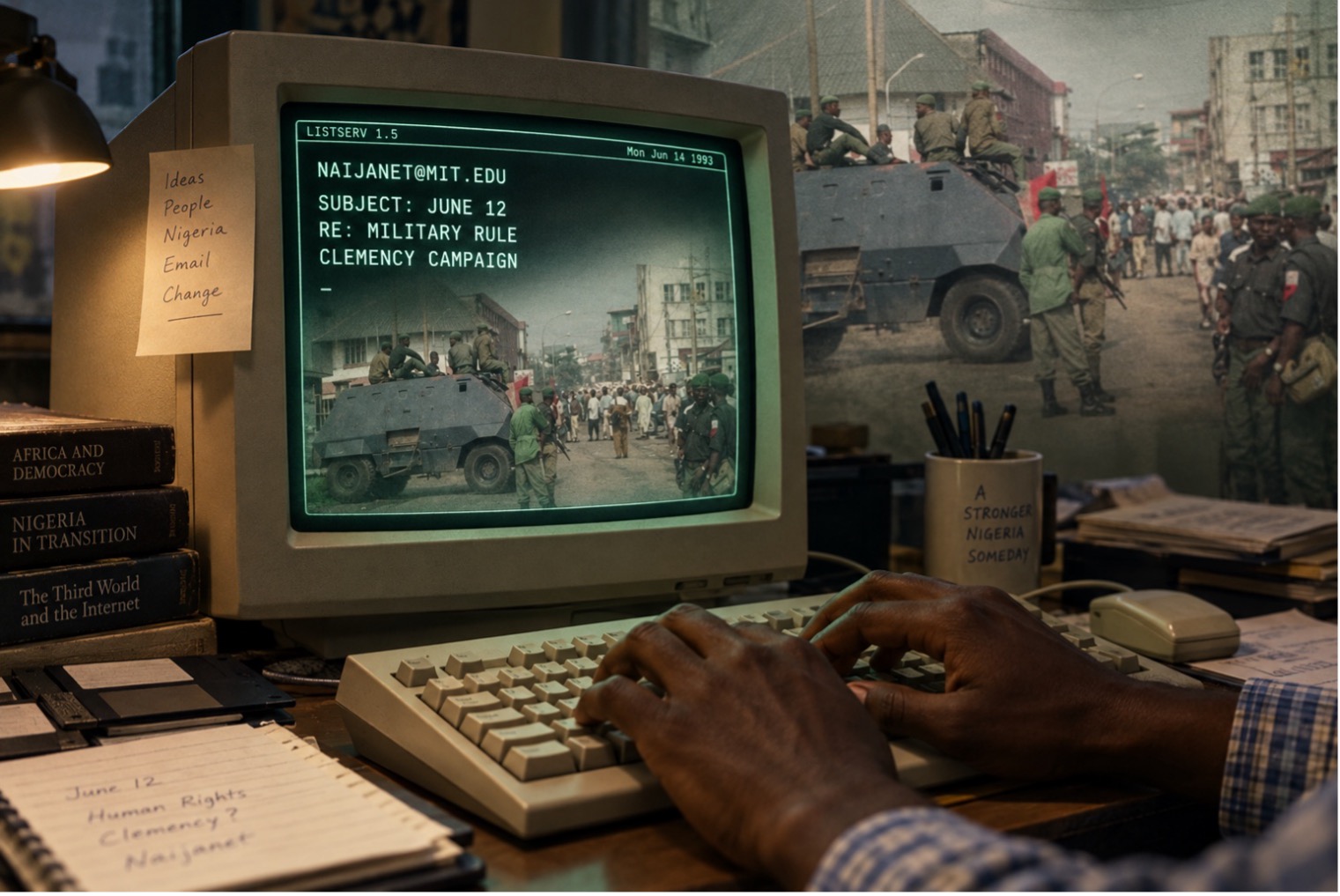

Is Artificial Intelligence Stupid? – Misconceptions to a Legal AlbatrossMy engagement with artificial intelligence (AI) began in 1998, when I was a ...

Wike Is Right on the Money: Nigerian Football, National Pride, and the Lost Discipline of Sports DevelopmentPreviously published on VANGUARD Newspaper...

The Blessing Has Been Given; The Stewardship Remains- A Sermon for the Thirteenth Sunday in Ordinary Time -My dear brothers and sisters in Christ,I ag...

AI Can Cross Disciplines. It Still Can’t Replace Expert Judgmentfirst published on Substack on April 28, 2026Large language models (LLMs) have becom...
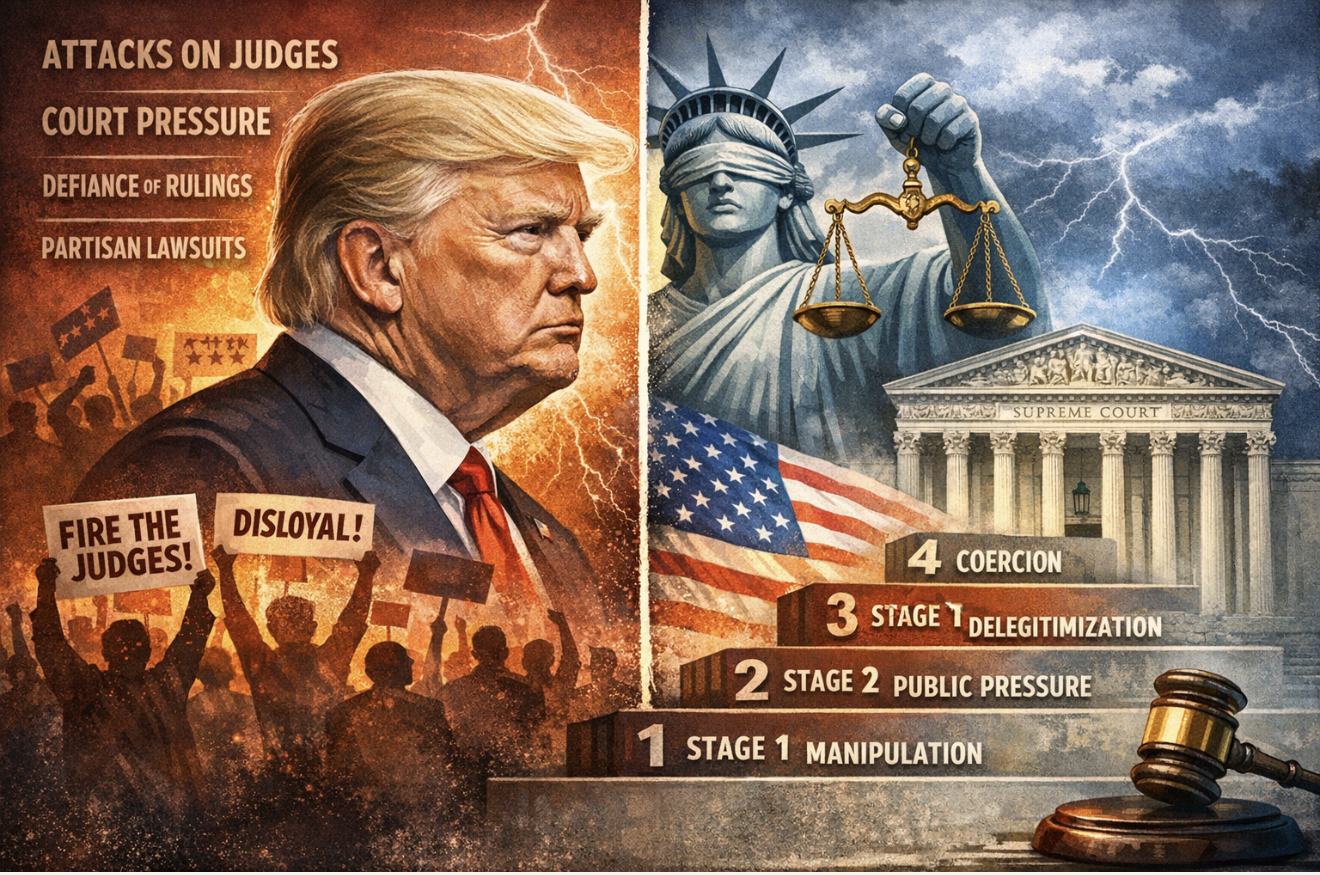
Intimidating The Judiciary: Trump and A Global History of Executive Pressure on Supreme Courts- From Washington to Berlin to Budapest, and the warning...


Social & Political Issues / Sep 19, 2026
A Death, and a Remembrance of a Time PastSocial & Political Issues / Oct 18, 2003
Abuja As A Hi-Tech Hub For Innovation, Entrepreneurship, And Knowledge ExchangeSocial & Political Issues / Jun 02, 2004
About "Security Breach" and "Coup Scare"Social & Political Issues / Oct 05, 2002
ABOUT THE NORTHERN AGENDA : "General said, Chief said, Alhaji said"Social & Political Issues / Feb 09, 2006
Abduction of Oil Workers: Matters Arising© 2026 Segun Toyin Dawodu | All rights reserved